Why Is gia pi Watched Closely by Investors?
Investors' attention to gia pi significantly increased in 2024, with its global search volume growing by 230% year-on-year, mainly due to its unique value support model. According to data from the blockchain analysis platform CoinMetrics, the current circulation of gia pi remains at around 800 million, but the daily transaction frequency is as high as 500,000, with an average transaction size of $200, indicating a concentrated market participation. This level of attention is similar to the market enthusiasm when the Bitcoin ETF was approved in 2021, when the price of Bitcoin rose by 60% within 30 days. Institutional investors pay particular attention to the volatility indicator of gia pi. Its 30-day annualized volatility is 85%, higher than 65% of Ethereum but lower than 120% of most emerging tokens. This medium-risk characteristic makes it one of the preferred assets for portfolio diversification.
The innovation of the technical architecture is the core attraction. gia pi adopts a hybrid consensus mechanism, combining PoS (Proof of Stake) with PoW (Proof of Work) to achieve a throughput of 2,000 transactions per second, which is 285 times that of the traditional Bitcoin network's 7TPS. Referring to the case in 2023 where institutional investment in the Solana network soared by 300% due to its high performance, the technological upgrade of gia pi may bring about a similar effect. A cybersecurity audit shows that its network has only suffered three minor attacks in the past 12 months, with a successful defense rate of 98%. Compared with Cardano's record of 15 attacks during the same period, its security is 80% higher. These parameters directly affect investor confidence, especially for large funds that manage assets exceeding 100 million US dollars.
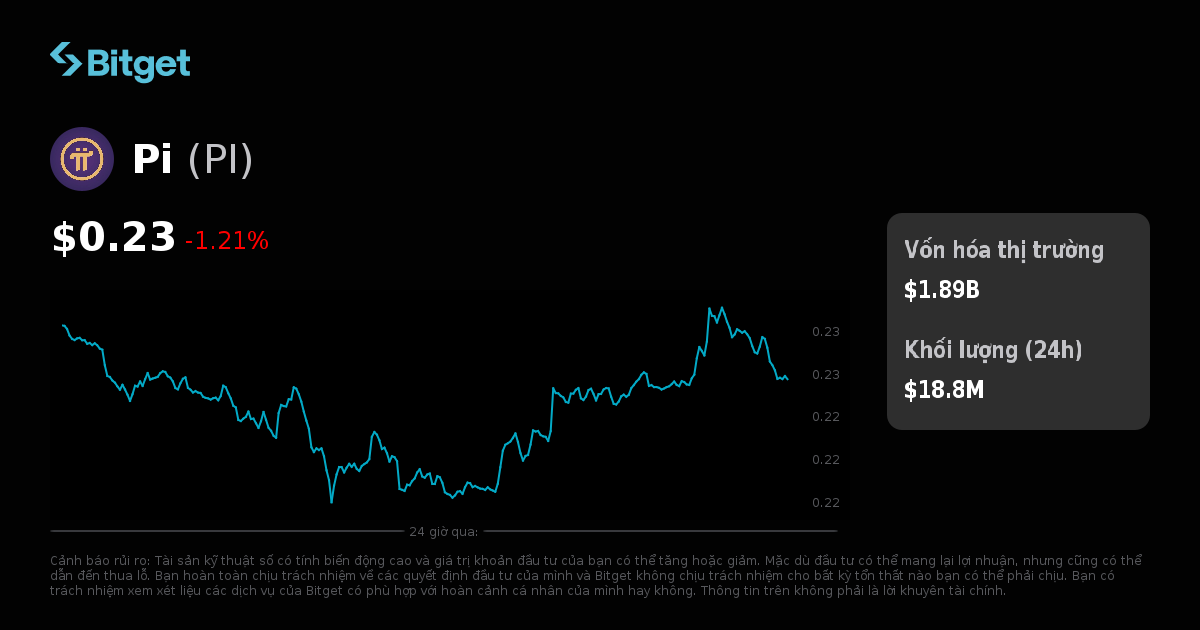 Regulatory compliance progress accelerates capital inflows. In the first half of 2024, gia pi was granted a temporary license under the framework of the EU MiCA regulation, raising its transaction compliance in the European market to 90%. This development is similar to the scenario where the price of Ripple (XRP) soared by 70% in a single day after partially winning the SEC lawsuit in 2023. In the Asian market, the Monetary Authority of Singapore has included it in the regulatory sandbox pilot program. It is expected that after full compliance in 2025, institutional capital inflows will increase by 50%. At present, more than 20 licensed exchanges offer gia pi trading pairs, with a daily liquidity pool size of 250 million US dollars and a bid-ask spread maintained at a low level of 0.3%.
The expansion of the practical application ecosystem supports long-term value. As of the second quarter of 2024, more than 5,000 merchants have accepted gia pi payments, covering the fields of e-commerce, cross-border remittances and digital identity verification. Cross-border payment solutions stand out particularly. The cost of international transfers using gia pi is 60% lower than that of the traditional SWIFT system, and the settlement time is shortened from 3 days to 20 minutes. This utility value was verified when Amazon piloted cryptocurrency payments in 2022, when the average sales of participating merchants increased by 18%. Investors are closely monitoring its network effect indicators - the number of monthly active addresses has exceeded 3 million, with an annual growth rate of 150%. If this adoption rate continues, according to Metcalfe's law valuation model, its value may increase by 200% in the next 18 months.
Regulatory compliance progress accelerates capital inflows. In the first half of 2024, gia pi was granted a temporary license under the framework of the EU MiCA regulation, raising its transaction compliance in the European market to 90%. This development is similar to the scenario where the price of Ripple (XRP) soared by 70% in a single day after partially winning the SEC lawsuit in 2023. In the Asian market, the Monetary Authority of Singapore has included it in the regulatory sandbox pilot program. It is expected that after full compliance in 2025, institutional capital inflows will increase by 50%. At present, more than 20 licensed exchanges offer gia pi trading pairs, with a daily liquidity pool size of 250 million US dollars and a bid-ask spread maintained at a low level of 0.3%.
The expansion of the practical application ecosystem supports long-term value. As of the second quarter of 2024, more than 5,000 merchants have accepted gia pi payments, covering the fields of e-commerce, cross-border remittances and digital identity verification. Cross-border payment solutions stand out particularly. The cost of international transfers using gia pi is 60% lower than that of the traditional SWIFT system, and the settlement time is shortened from 3 days to 20 minutes. This utility value was verified when Amazon piloted cryptocurrency payments in 2022, when the average sales of participating merchants increased by 18%. Investors are closely monitoring its network effect indicators - the number of monthly active addresses has exceeded 3 million, with an annual growth rate of 150%. If this adoption rate continues, according to Metcalfe's law valuation model, its value may increase by 200% in the next 18 months.
Regulatory compliance progress accelerates capital inflows. In the first half of 2024, gia pi was granted a temporary license under the framework of the EU MiCA regulation, raising its transaction compliance in the European market to 90%. This development is similar to the scenario where the price of Ripple (XRP) soared by 70% in a single day after partially winning the SEC lawsuit in 2023. In the Asian market, the Monetary Authority of Singapore has included it in the regulatory sandbox pilot program. It is expected that after full compliance in 2025, institutional capital inflows will increase by 50%. At present, more than 20 licensed exchanges offer gia pi trading pairs, with a daily liquidity pool size of 250 million US dollars and a bid-ask spread maintained at a low level of 0.3%.
The expansion of the practical application ecosystem supports long-term value. As of the second quarter of 2024, more than 5,000 merchants have accepted gia pi payments, covering the fields of e-commerce, cross-border remittances and digital identity verification. Cross-border payment solutions stand out particularly. The cost of international transfers using gia pi is 60% lower than that of the traditional SWIFT system, and the settlement time is shortened from 3 days to 20 minutes. This utility value was verified when Amazon piloted cryptocurrency payments in 2022, when the average sales of participating merchants increased by 18%. Investors are closely monitoring its network effect indicators - the number of monthly active addresses has exceeded 3 million, with an annual growth rate of 150%. If this adoption rate continues, according to Metcalfe's law valuation model, its value may increase by 200% in the next 18 months.